
The evolution of casinos A deep dive into their fascinating history
The evolution of casinos A deep dive into their fascinating history
Origins of Gambling and Early Casinos
The origins of gambling can be traced back thousands of years to ancient civilizations, where games of chance were popular in cultures such as the Chinese, Roman, and Greek. Archaeological evidence suggests that the Chinese were engaging in gambling activities as early as 2300 BCE. These early forms of gambling included rudimentary games of chance, betting on events, and even the use of dice made from animal bones. The thrill of risk and reward has always captivated human beings, paving the way for the development of structured gambling venues. Many of these developments laid the groundwork leading to platforms like https://slot-bunnycasino.uk/, where modern gaming experiences flourish.

As societies evolved, so did the nature of gambling. In medieval Europe, the establishment of the first official casinos emerged in Italy during the 17th century. These establishments were referred to as “gambling houses,” where individuals could gather to play card games and other forms of gambling. Venice’s Ridotto, founded in 1638, is often credited as the first state-sanctioned casino. It was during this period that the foundations of modern gambling began to take shape, with rules and regulations being established to govern the games.
The burgeoning popularity of casinos quickly spread beyond Italy. By the 18th century, gambling became a favorite pastime among the European elite, leading to the emergence of lavish casinos in cities like Monaco and Baden-Baden. The glamour associated with these establishments marked a significant turning point in the evolution of casinos, transforming them into more than just places to gamble but also centers of social interaction and entertainment.
Casinos in the United States
The introduction of casinos in the United States is closely linked to the westward expansion and the Gold Rush era of the mid-19th century. As prospectors flocked to places like California in search of gold, they brought with them a culture of gambling that included various card games and dice games. The first American casinos were established in mining towns, where individuals would gamble away their earnings in saloons and makeshift gambling halls. These informal venues laid the groundwork for the modern casino experience.
The legalization of gambling in Nevada in 1931 marked a pivotal moment in the history of casinos in the U.S. Las Vegas transformed from a small railroad town into a gambling mecca, drawing in visitors from around the world. The opening of iconic casinos like the Flamingo and the Sands brought celebrity performances, extravagant shows, and themed attractions, creating an entertainment landscape that was unprecedented. This fusion of gambling and entertainment set a new standard for casinos, which began to cater not just to gamblers but to tourists seeking a full vacation experience.
As the years progressed, the casino industry continued to evolve with the introduction of tribal casinos and online gaming. The Indian Gaming Regulatory Act of 1988 allowed Native American tribes to establish casinos on their reservations, leading to the rapid growth of casinos across the United States. Additionally, the rise of the internet in the late 20th century opened new avenues for gambling, with online casinos emerging as a popular alternative, further broadening the reach and appeal of casino gaming.
The Global Casino Landscape
Today, casinos are found in every corner of the globe, showcasing a diverse range of cultures and gambling practices. In Asia, for instance, countries like Macau have emerged as major players in the global casino market, rivaling Las Vegas in terms of revenue. Macau’s transformation into a gambling hub is largely attributed to its legal status as a special administrative region of China, allowing for a different regulatory environment that promotes high-stakes gaming and luxury experiences. This shift has attracted both international tourists and high-rolling gamblers, making it one of the world’s most lucrative casino destinations.
Europe also boasts a rich history of casinos, with many countries embracing gambling as a significant aspect of their tourism industries. From the elegant casinos of Monte Carlo to the historical gaming houses in Vienna and London, Europe offers a fascinating blend of tradition and modernity. The European market has seen a rise in competitive offerings, leading to innovations in gaming technology and customer experience, as well as a focus on responsible gambling practices.
Emerging markets in Africa and South America are also beginning to explore the potential of casinos. Countries like South Africa have legalized gambling, allowing for the establishment of modern casinos that not only provide entertainment but also contribute to local economies. As the global landscape continues to evolve, casinos are adapting to changing consumer preferences, technology advancements, and regulatory environments, ensuring their place as a major entertainment option in the years to come.
Technological Innovations and Modern Casinos
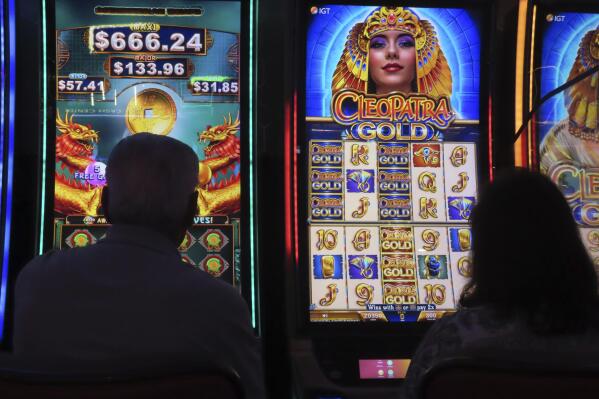
Technological advancements have played a crucial role in shaping the modern casino experience. The introduction of electronic gaming machines in the late 20th century revolutionized the way people gamble. Slot machines quickly became a staple of casinos, providing a more accessible and entertaining way for individuals to participate in gaming. As technology continued to evolve, features such as video slots with intricate graphics, interactive gameplay, and progressive jackpots gained popularity, attracting a wider audience.
The rise of online casinos has further transformed the gambling landscape. With the advent of secure online payment systems and mobile technology, players can now enjoy their favorite games from the comfort of their homes or on the go. This convenience has led to a surge in online gaming platforms that offer a variety of options, from classic table games to live dealer experiences that closely mimic the atmosphere of a physical casino. The ability to access a vast array of games with a simple click has expanded the reach of casinos beyond traditional boundaries.
Moreover, casinos are leveraging data analytics and artificial intelligence to enhance the customer experience. By analyzing player behavior and preferences, casinos can personalize marketing efforts, optimize game offerings, and improve customer service. Loyalty programs are also evolving, utilizing technology to reward players based on their activity and engagement. These innovations ensure that casinos remain competitive and relevant in an ever-changing industry.
Conclusion: The Future of Casinos
As we look to the future, the casino industry is poised for continued growth and innovation. With the ongoing integration of technology, casinos are likely to become even more immersive experiences that cater to a diverse range of players. The potential for virtual reality and augmented reality in gaming offers exciting possibilities for creating engaging environments that blur the lines between physical and digital experiences.
Furthermore, the importance of responsible gambling will shape the evolution of casinos, with a growing focus on ensuring player safety and wellbeing. As regulations tighten and consumer awareness increases, casinos will need to implement measures that promote responsible gaming practices while still providing thrilling experiences for players.
Online platforms, such as Slot Bunny Casino, highlight the direction of the industry, offering diverse games and exciting promotions that cater to modern players. As the landscape of gambling continues to shift, one thing is certain: casinos will remain a significant part of entertainment culture, evolving to meet the needs and desires of future generations.